

Every new beginning comes with a little uncertainty—learning an instrument is no different. Should you choose piano or guitar? Acoustic or digital? How old is “too old” to learn? If you’re wondering about the best instrument for beginners to learn music, you’re not alone.
At The Piano Studio, we specialize in helping beginners of all ages start strong. We’ve broken down the most common questions to make your first steps easier.
Do I Need Any Experience to Start?
Absolutely not. We work with total beginners every day. Whether you’re five or fifty, our teachers know how to start from zero and build a solid foundation—without pressure.
You don’t need to read music, own an instrument, or know the difference between a quarter note and a quarter pounder. Curiosity and the courage to start—that’s all you need.
What’s the Best Age to Begin?
Short answer: any age.
- Young children (as early as 4) can start with basic lessons focused on rhythm, coordination, and ear training.
- Adults often progress quickly thanks to better focus and motivation.
If your child shows an interest in music—or if you’ve always wanted to learn but never made time—now is a great time to start.
Which Instrument Should I Choose?
Here’s a quick breakdown of popular beginner instruments:
- Piano: Great for all ages. Teaches melody, harmony, rhythm, and reading music. Easy to make a sound right away.
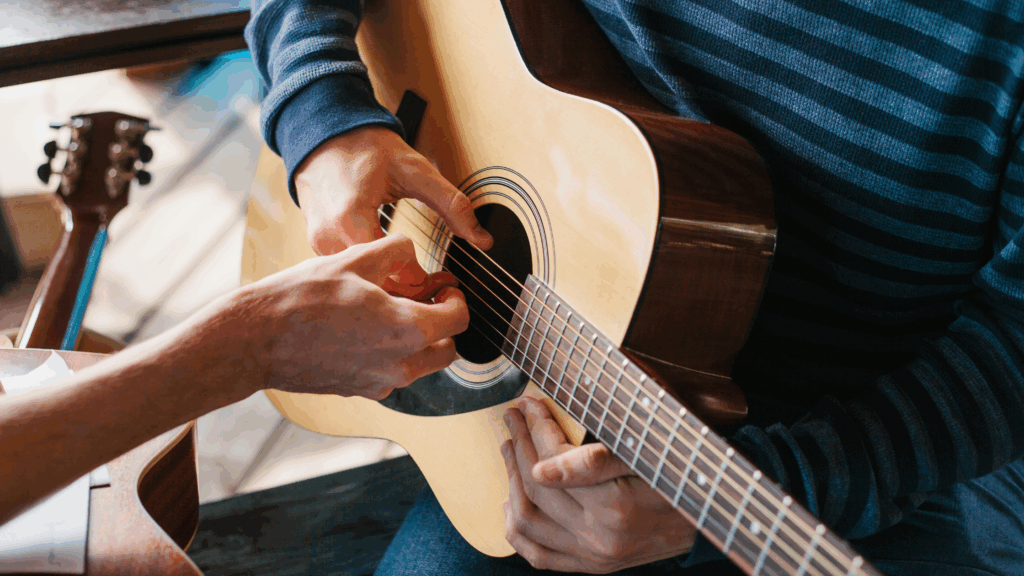
- Guitar: Portable and versatile. Tougher on the fingers at first, but very rewarding.
- Violin: Excellent for developing your ear. Takes early patience with pitch and tuning.
- Voice: Your body is your instrument. No equipment required.
If you’re unsure, start with piano. It’s the ideal launchpad for learning music fundamentals.
Do I Need to Buy an Instrument Right Away?
Not at all. Renting or choosing an affordable beginner instrument is a smart way to begin.
Starter Tips:
- Piano/Keyboard: Look for a digital piano with weighted keys and a full 88-key range if possible.
- Guitar: Make sure it’s the right size for the student.
- Violin: Rentals are popular, especially for growing children.
Need help choosing? We’re here for that. Our team can guide you based on your goals and budget. If you’re near Newmarket, we also sell instruments to make it even easier to get started.
How Often Should I Practice?
Aim for 10–15 minutes, 4–5 days a week. The key is consistency, not long sessions.
We’ll show you exactly what to practice, how to break it down, and how to track progress. Our lessons are designed to keep things clear, manageable, and motivating.
Is Performing Required?
Performing is encouraged, but optional.
We offer recitals for students who want to share their progress—but there’s no pressure. You set your own goals, and we support them.
What If I’m Not Musical?
Everyone is musical.
Talent helps, but real progress comes from steady practice and great instruction. We’ve seen total beginners go on to write their own songs and perform confidently. If you can tap a rhythm, listen, or move to music, you can learn.
Still Not Sure? Try a Lesson Risk-Free
The best way to find your fit—whether it’s the right instrument or teacher—is to try a lesson.
Sign up for a trial lesson and see what it’s like to learn music with a supportive, skilled teacher by your side.
The Piano Studio helps students of all levels grow musically in a way that’s structured, supportive, and fun.